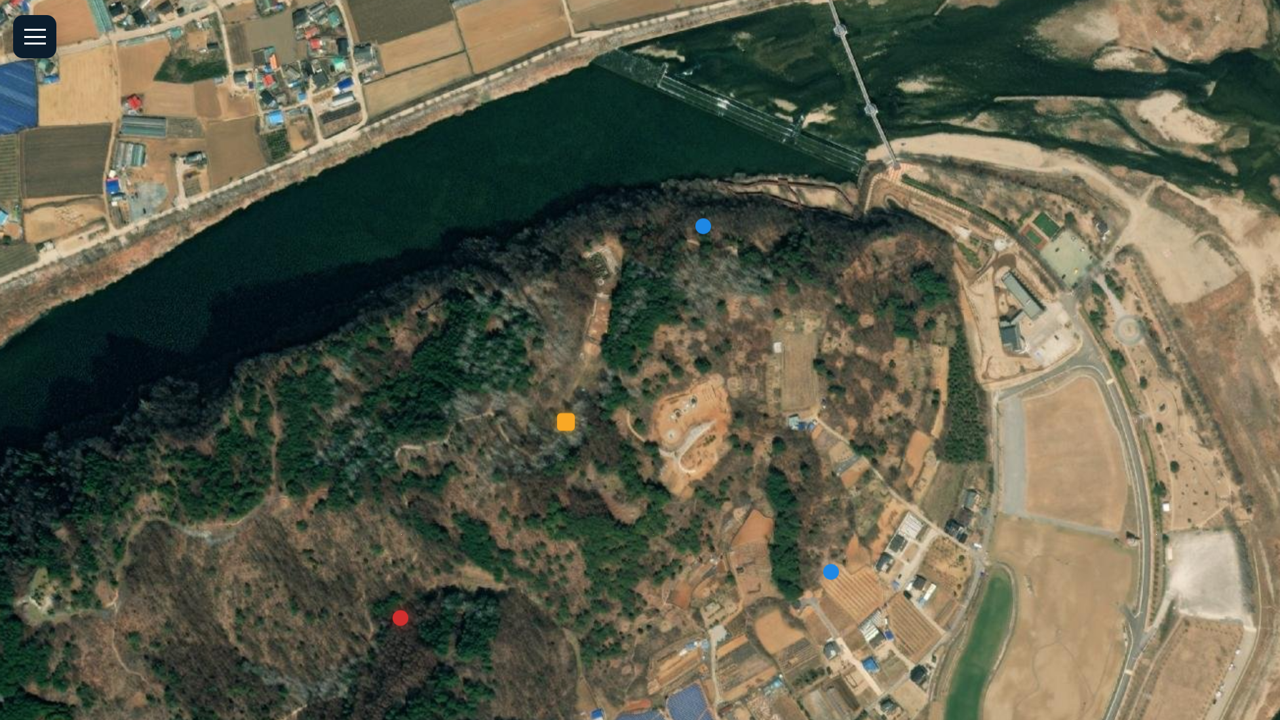
A focused, slide-based walkthrough of deployment, detection, communication, and forecasting—built on validated prototype results.
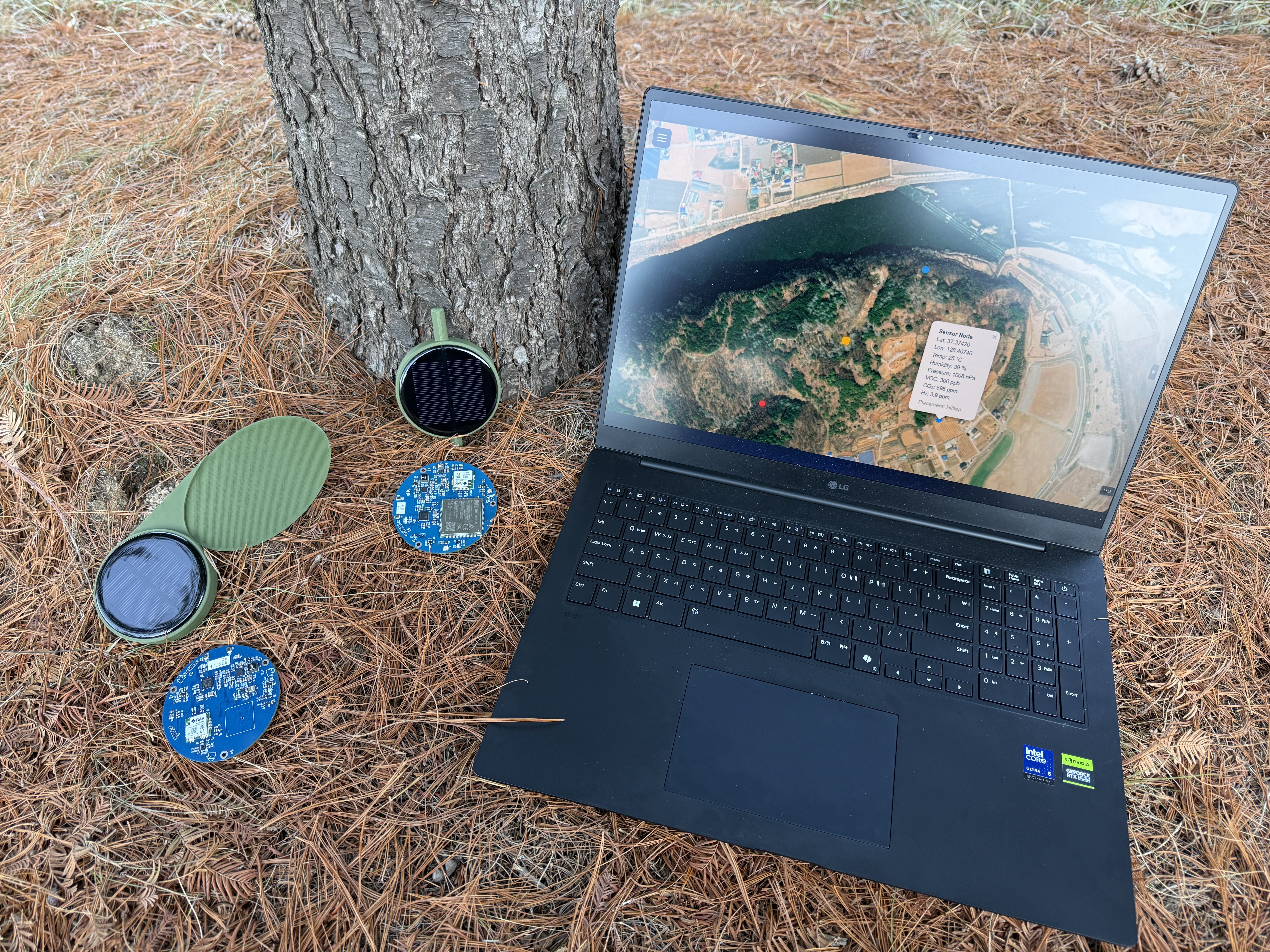
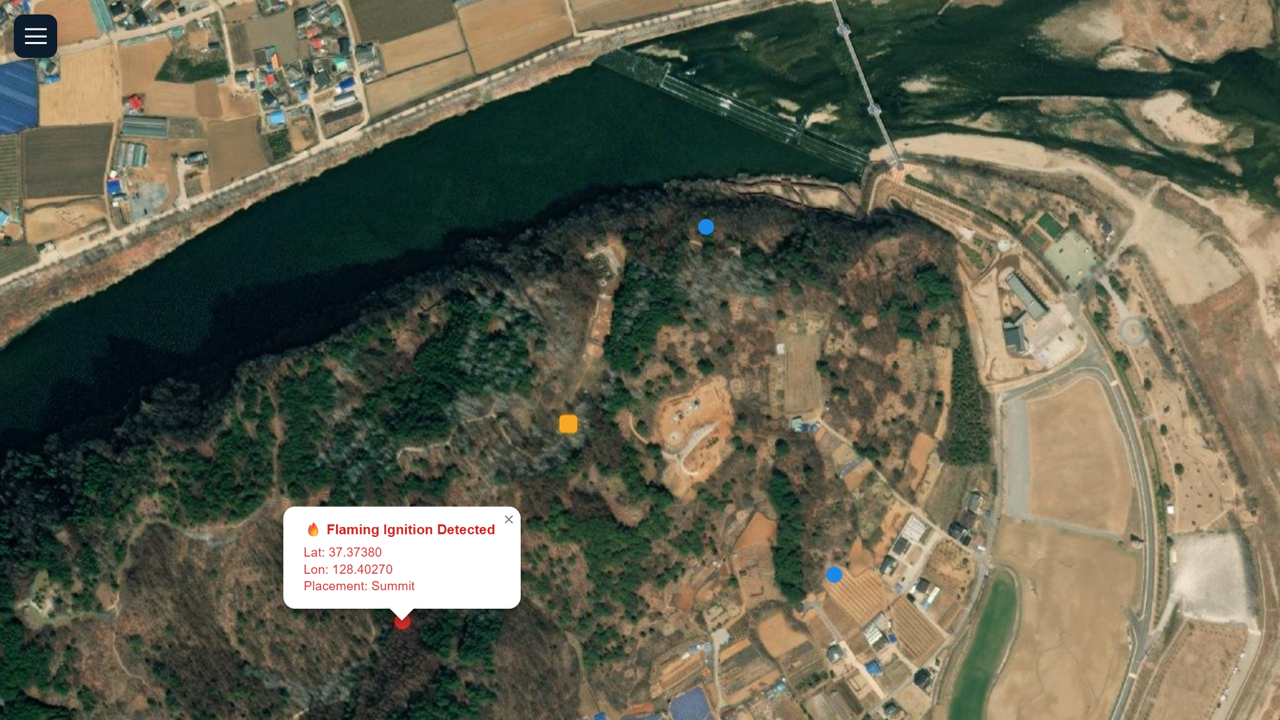
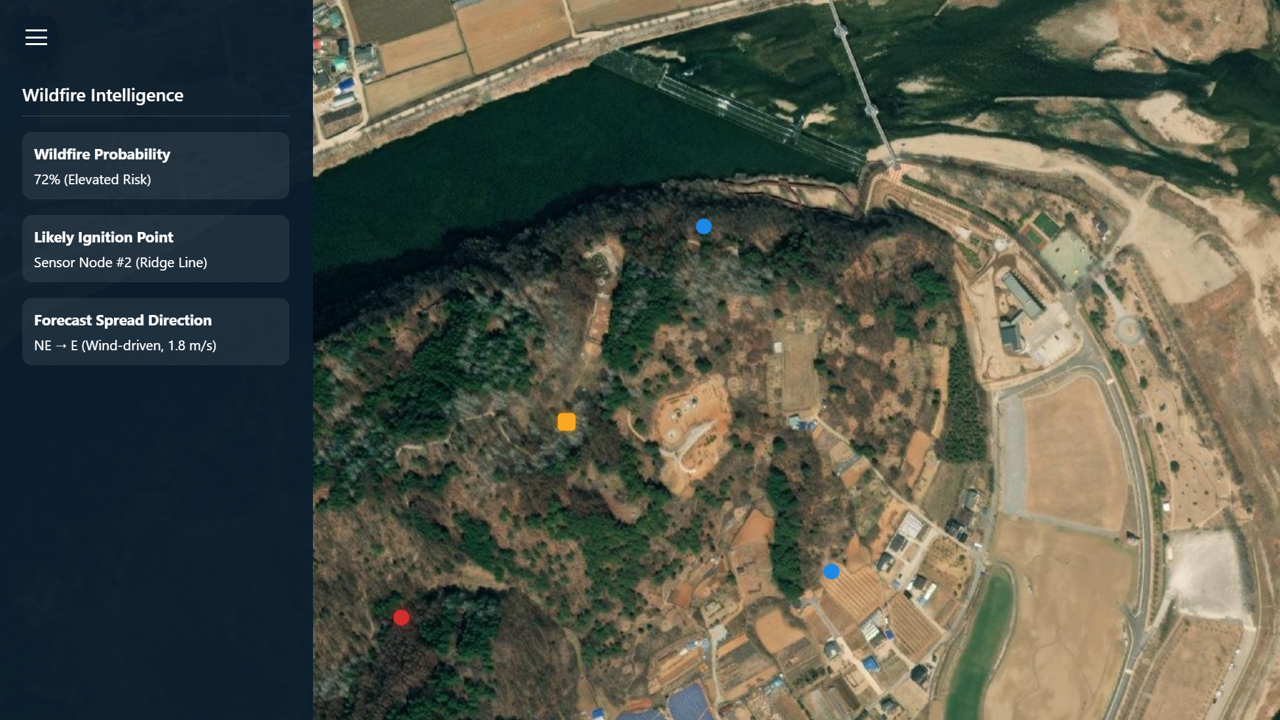
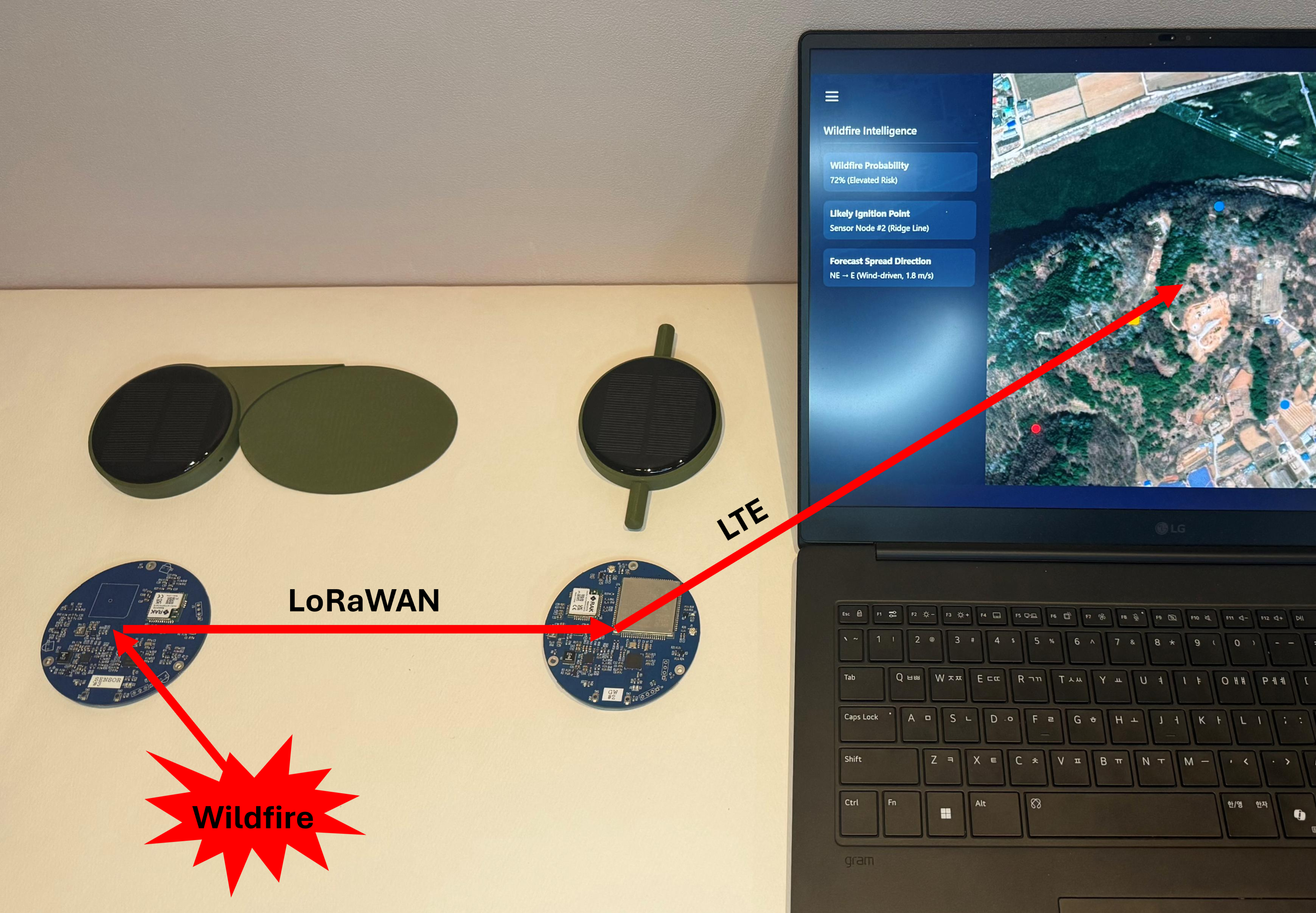
PALANG is an end-to-end wildfire ignition intelligence system: drone-deployed sensor nodes detect ignition at ground level, transmit priority alerts via LoRaWAN to gateways, and deliver authenticated events to a cloud dashboard with live mapping and forecasting layers.
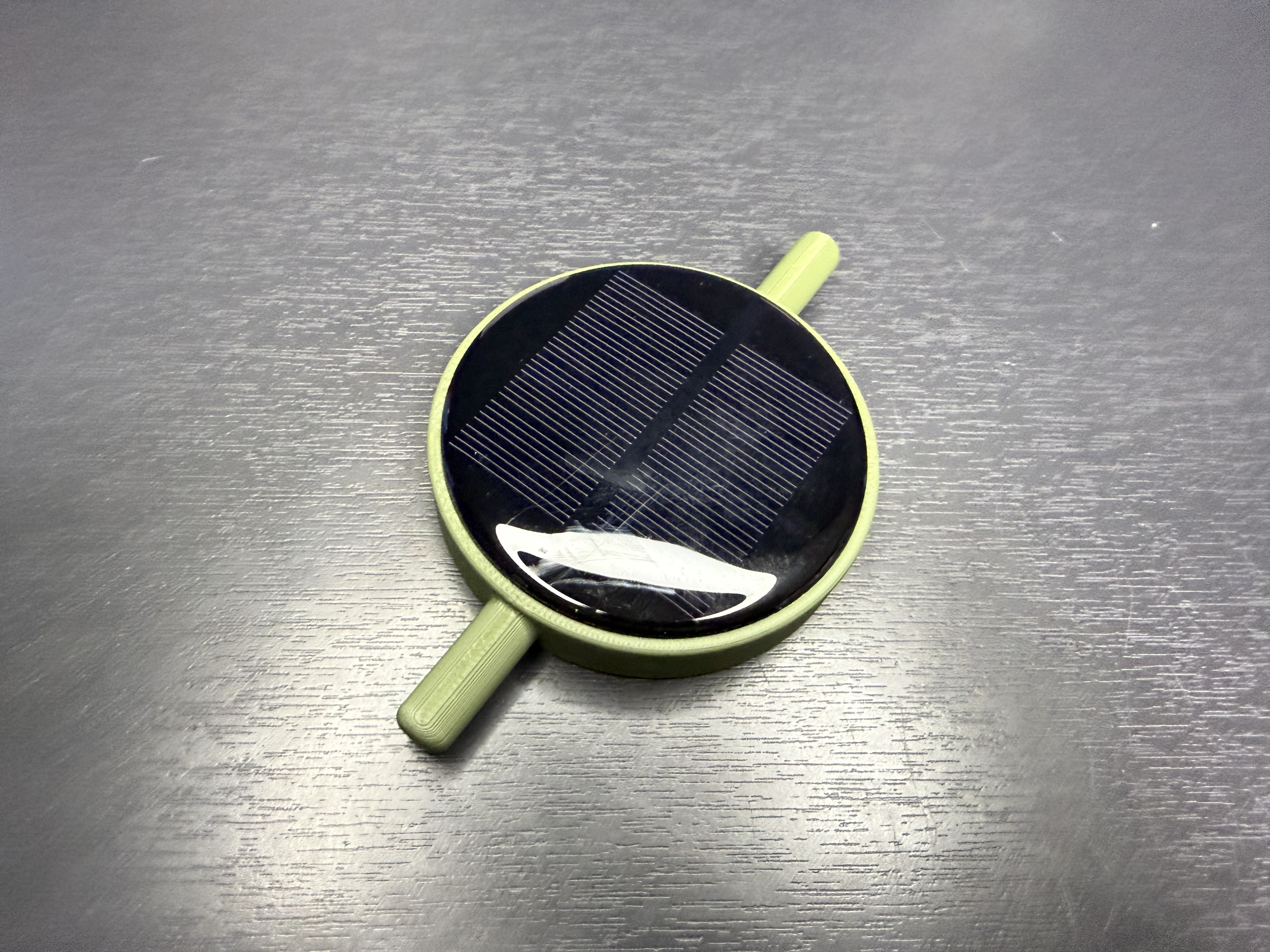
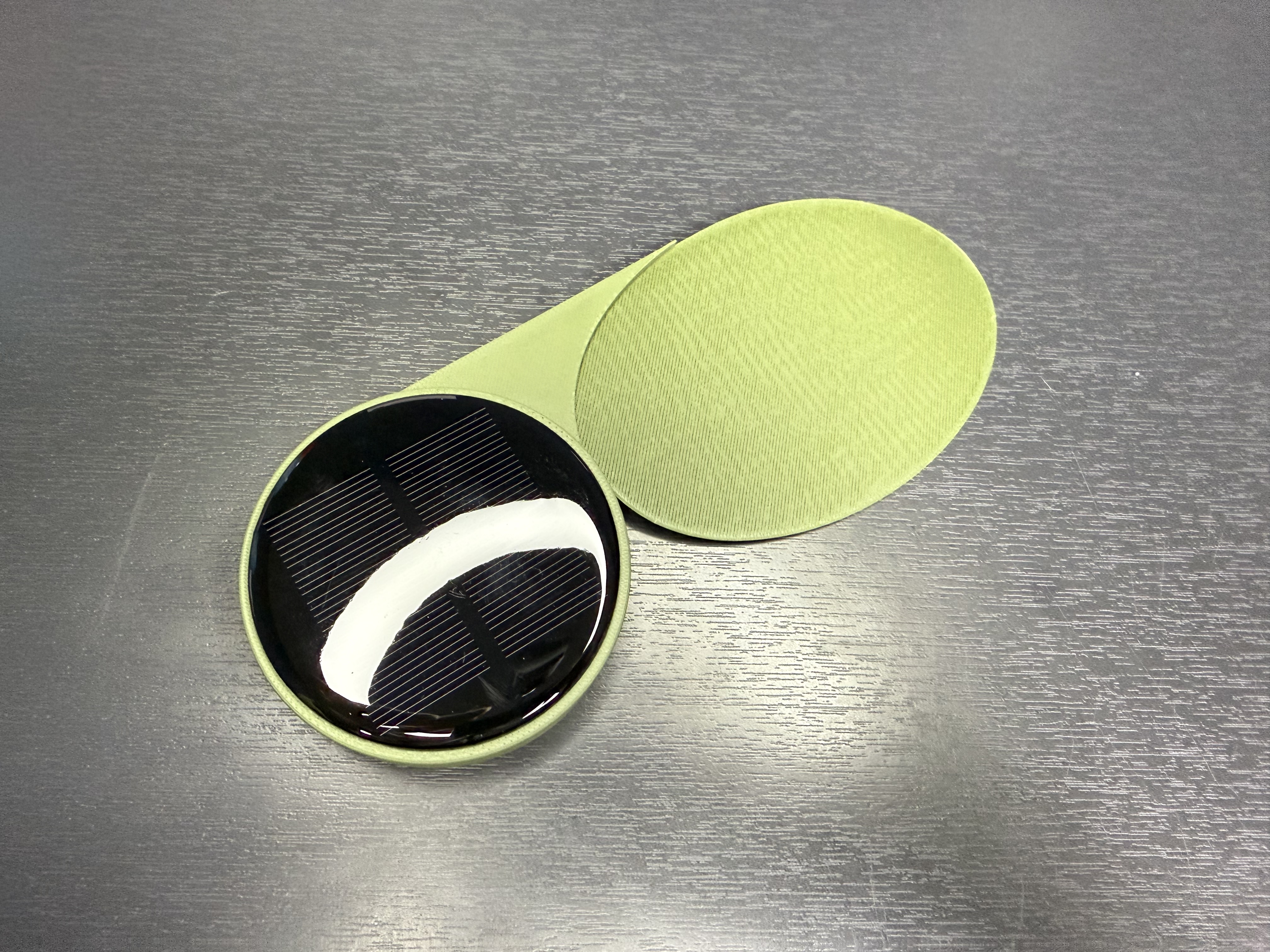
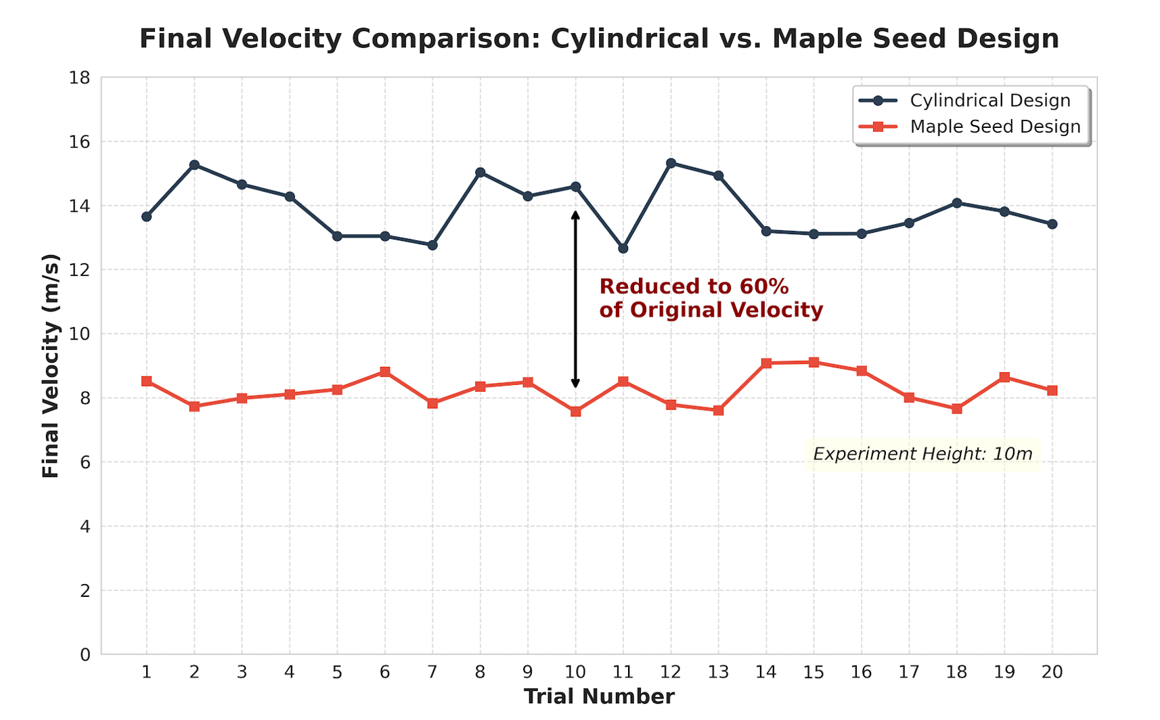
PALANG uses a maple-seed-inspired autorotational enclosure for aerial deployment. Autorotation reduces descent speed (≈60% vs. non-rotating control), improves landing stability, and protects electronics—enabling rapid deployment in remote or hazardous terrain without manual installation.
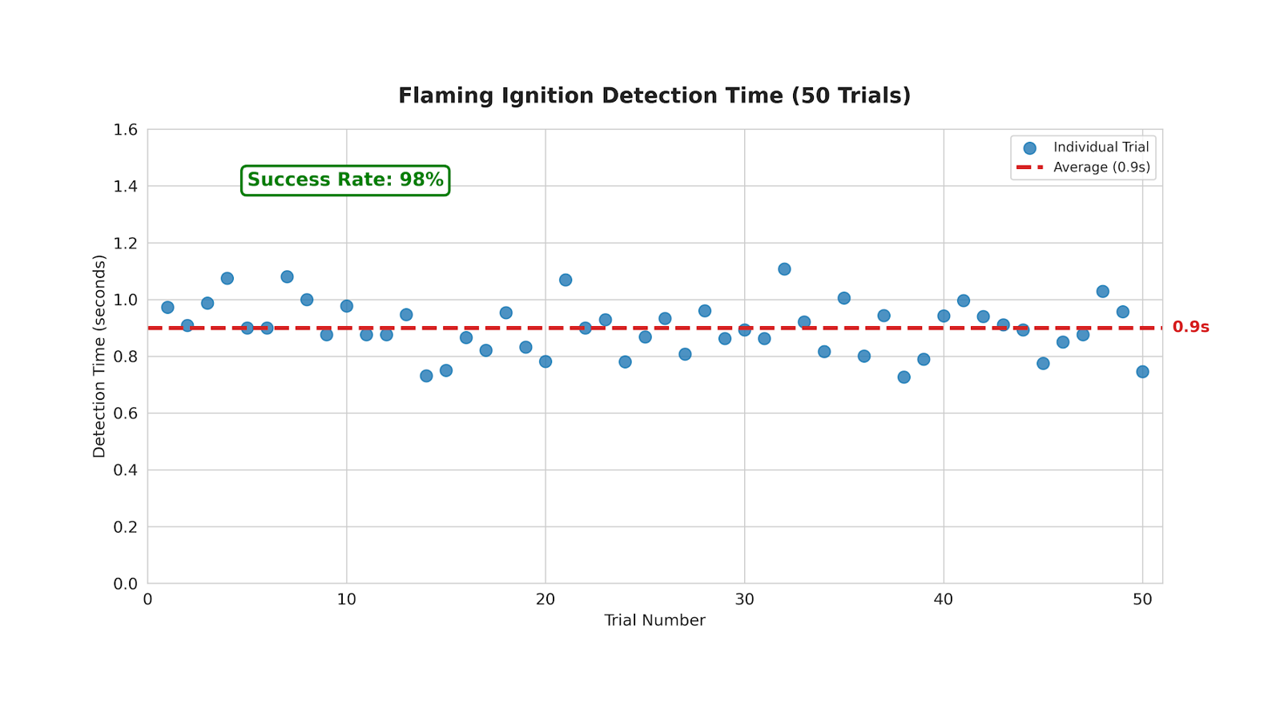
Ignition is not one event. PALANG treats ignition as two physical regimes—flaming and smoldering—and uses a dual-path architecture to detect each regime with the right physics.
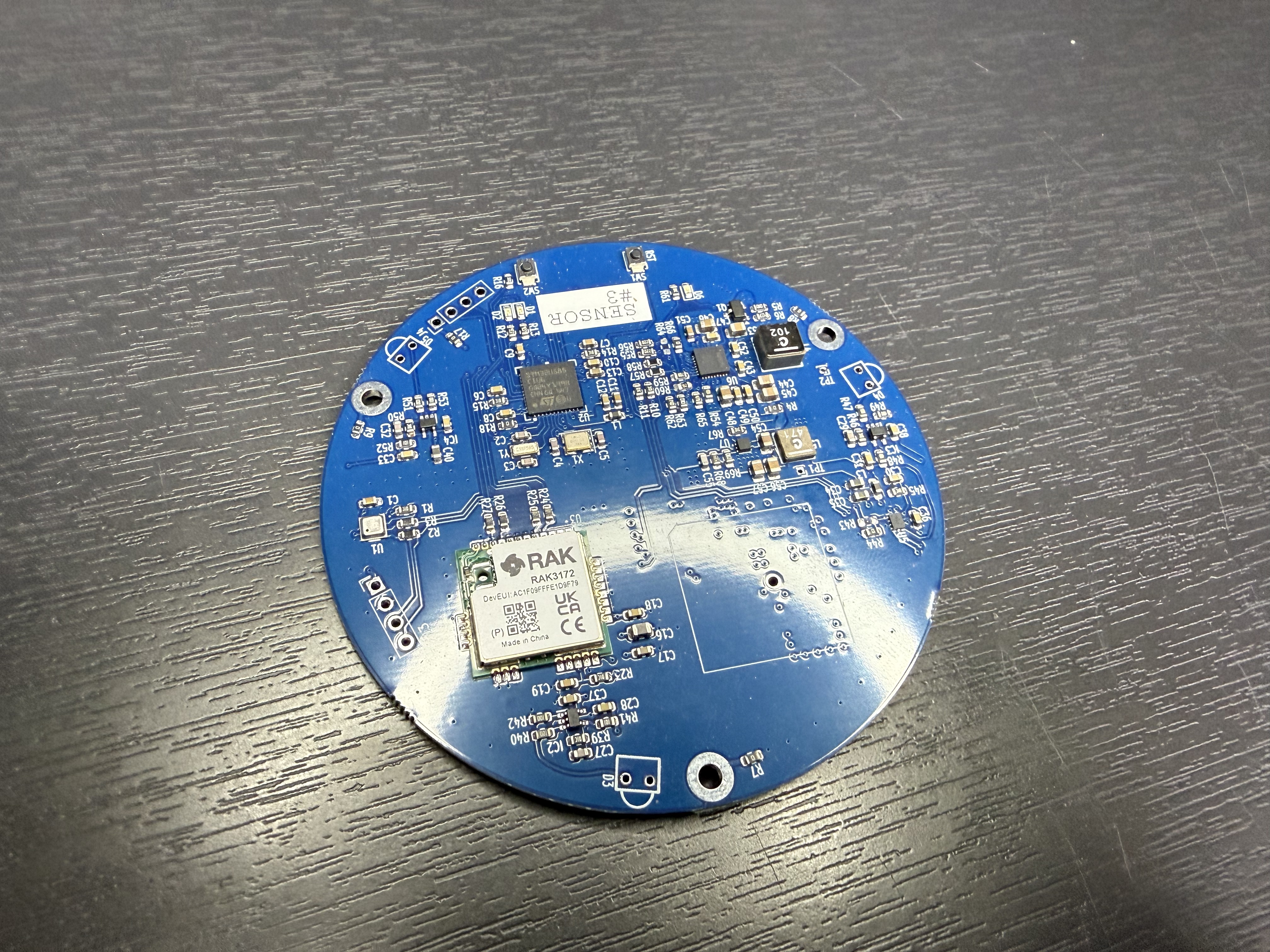
Turbulent flames produce optical oscillations concentrated in the 8–30 Hz band. PALANG samples optical signals at 1 kHz, applies an 8–30 Hz band-pass, and uses spectral persistence logic to trigger an event only when flicker energy persists.
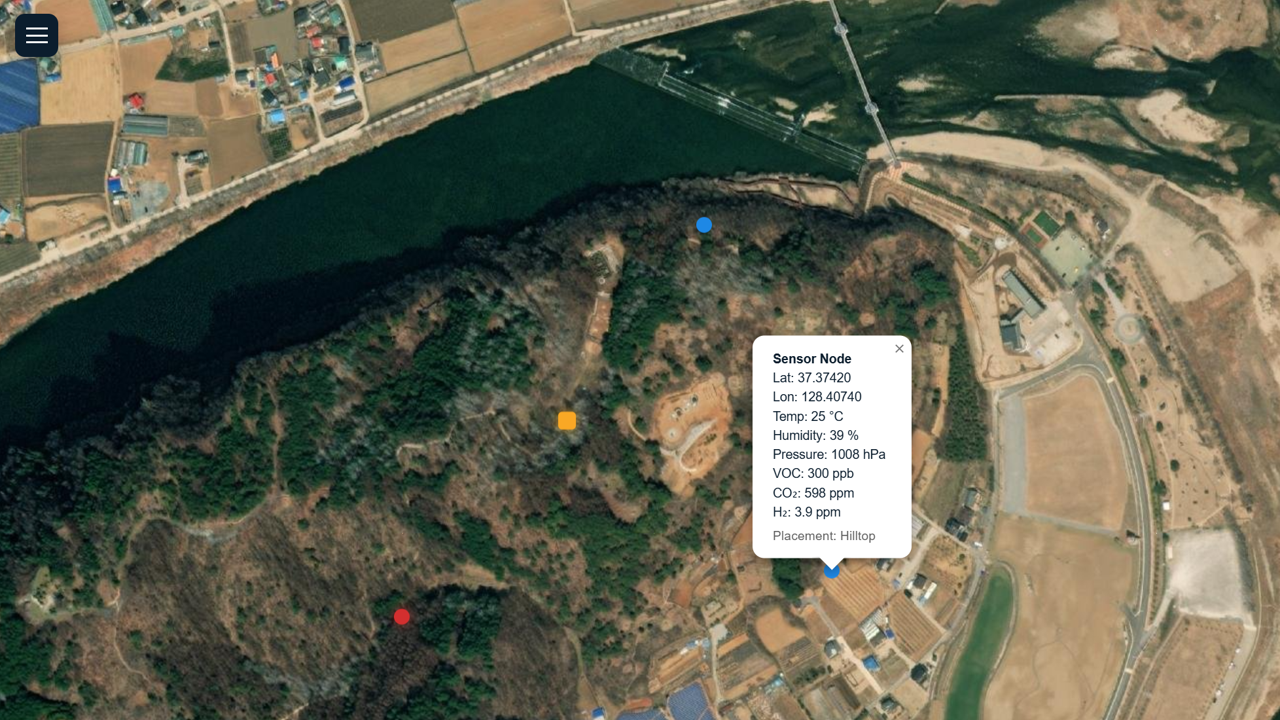
Smoldering has weak flicker. Instead, smoke scattering causes gradual optical intensity shifts. PALANG detects sustained slopes (low-pass + temporal slope logic) and cross-validates with correlated VOC/gas signals from BME688 to suppress false triggers from ambient lighting or weather drift.
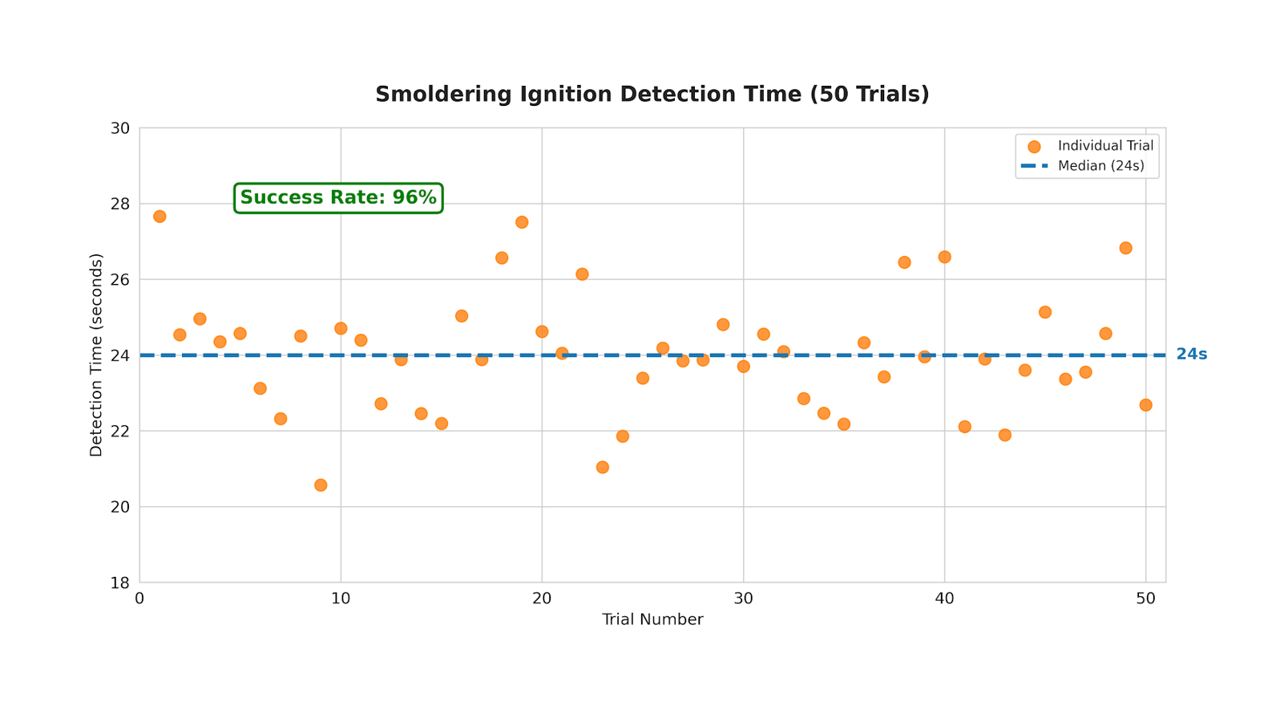
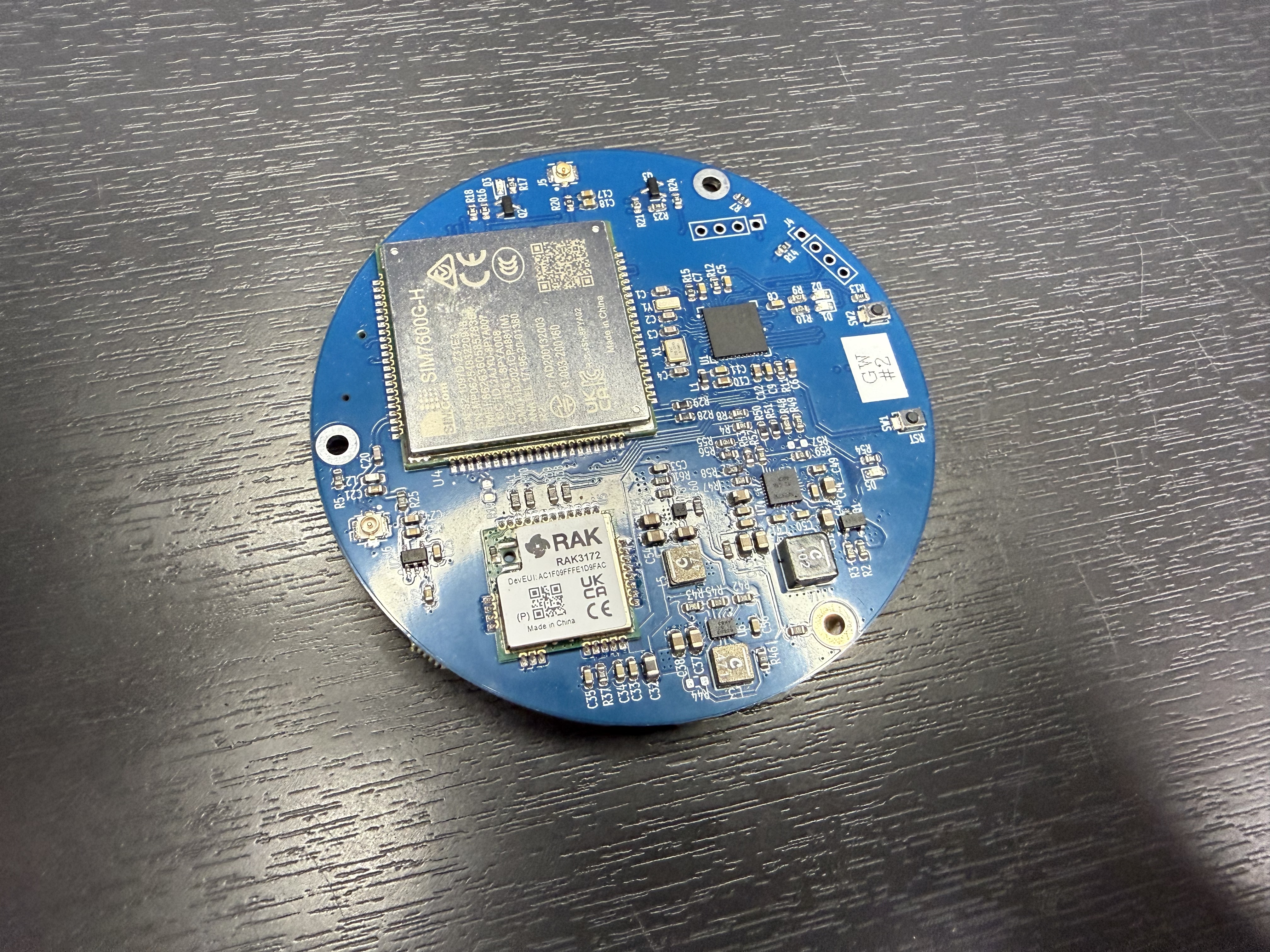
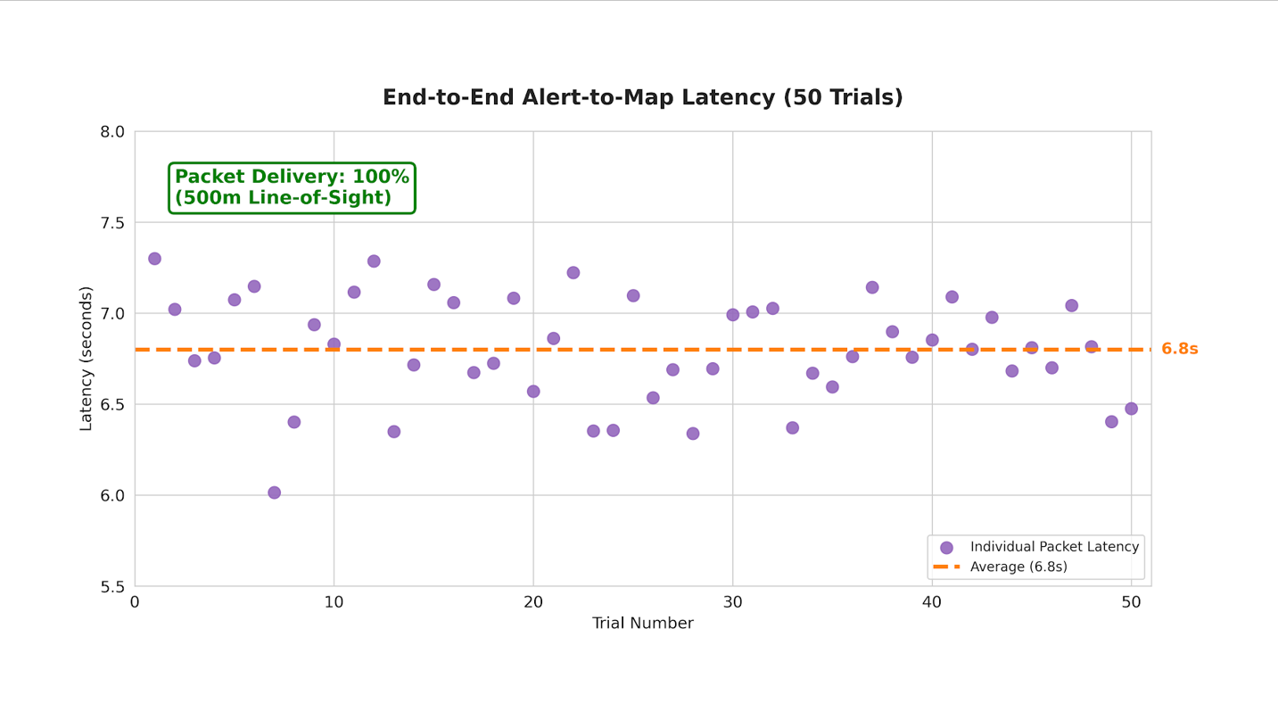
Nodes transmit event packets through LoRaWAN to gateways, which forward alerts to the cloud. The cloud dashboard visualizes sensor status, locations, and risk layers end-to-end.
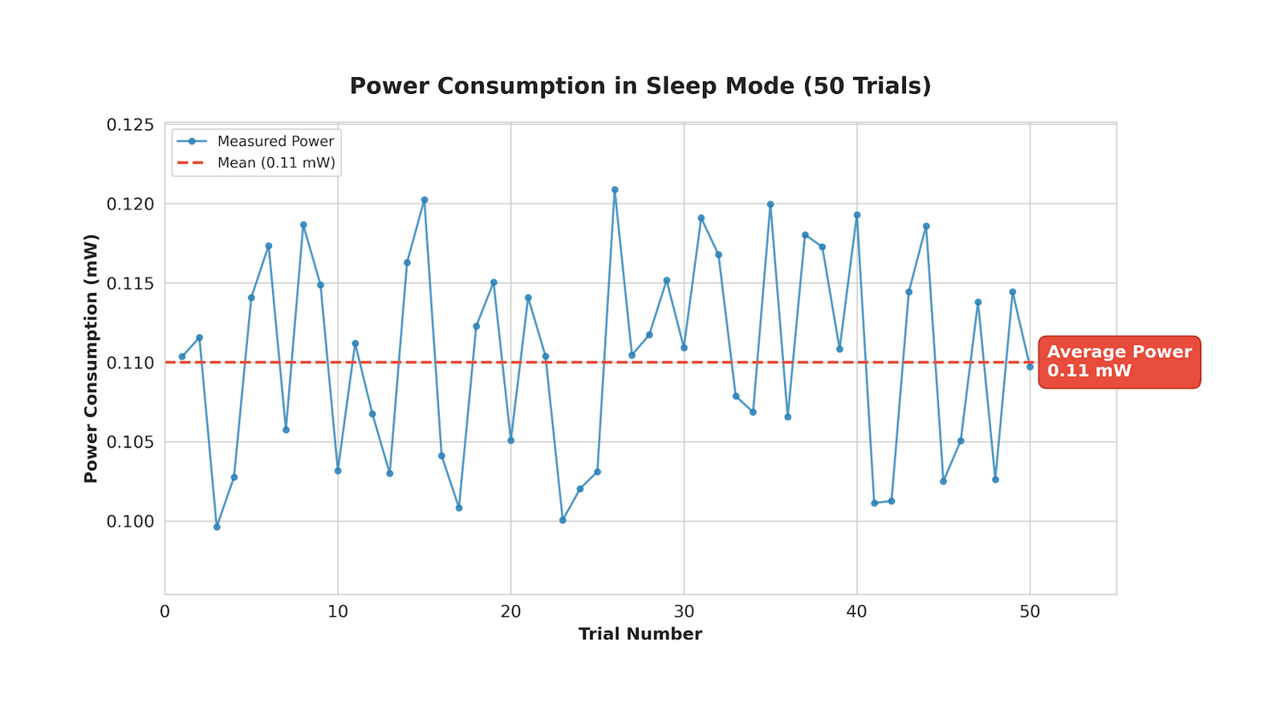
PALANG is designed for unattended, long-term field operation. Under the deployed duty cycle, the node stays in deep sleep at 0.11 mW, wakes for scheduled telemetry, and immediately wakes for ignition events. Solar harvesting with supercapacitor storage enables continuous operation without battery replacement.
Click on each photo to view it larger